Letter: T-S 13K2.1–2 + Bodl. MS Heb. d 74/28 + T-S NS 309.68b
Letter T-S 13K2.1–2 + Bodl. MS Heb. d 74/28 + T-S NS 309.68bWhat's in the PGP
- Image
Description
Letter 3 of 4 of Letters Miscellany, a collection of letters representing both sides of the calendar controversy. Letter 3 responds to a letter from the Palestinian Head of the Academy. It responds, point by point, to what ‘the Head of the Academy has written’. The Letter is clearly Babylonian, and written sometime in the year 1233 SE, i.e. 921/2 CE. Letter 3 identifies strongly with Babylonia, and draws so heavily on local Babylonian traditions, including testimonies from older members of the academies. The mildness of the tone of this letter casts doubt on a dating as late as July 922 CE, when the controversy had soured and the relationship between Babylonians and Palestinians had completely broken down. Letter 3 is famed for its account of a meeting that allegedly took place, many years before the controversy, between Palestinians and Babylonians, at which the Babylonians learnt the secret of the calendar calculation (fol. 5r:21-5v12). The Letter goes on to defend the Babylonians’ calendar decision of 921 CE (fol.5v:15 – 6r11) and their use of the Four Gates (fol.6r:11-13). It refutes ben Meir’s application of the rule of 641-642 in 921 CE, on the basis of the earlier version of the rule which our Letter suggests is more authentic (fol.6r:13 – 6v:3). However, it then refutes even this earlier version, on the basis of the Four Gates (fol.6v:3 – 6v:12). The author claims to have checked and found that in past years, for example in 913/4 CE, the rule of 641-642 was never used by the Palestinians (fol.6v:12-21).
Tags
T-S 13K2 1r
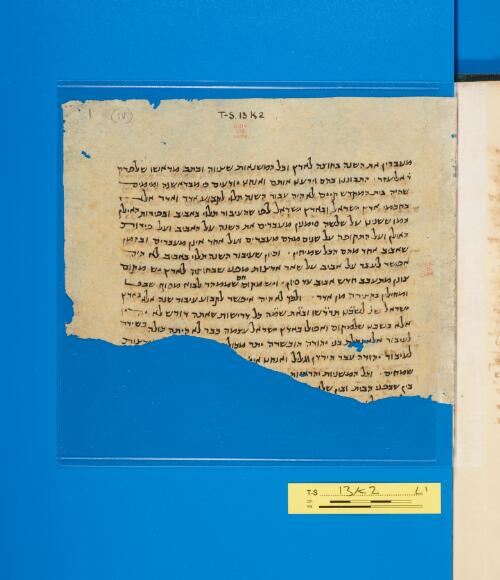
T-S 13K2 1v
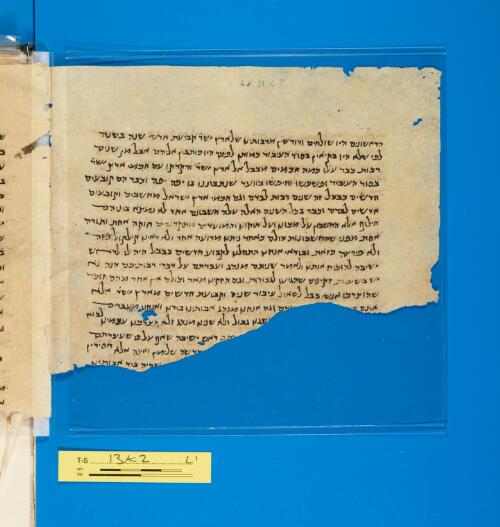
T-S 13K2 2r
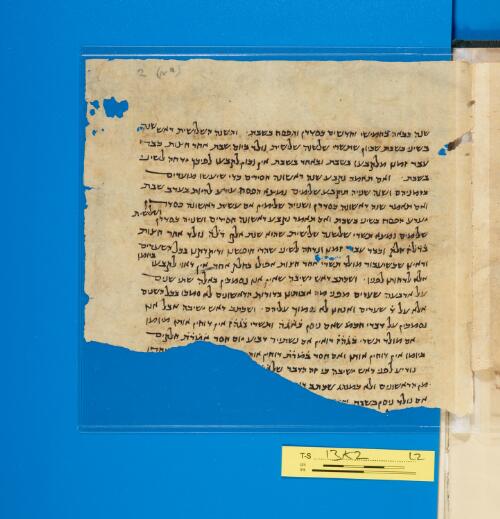
T-S 13K2 2v
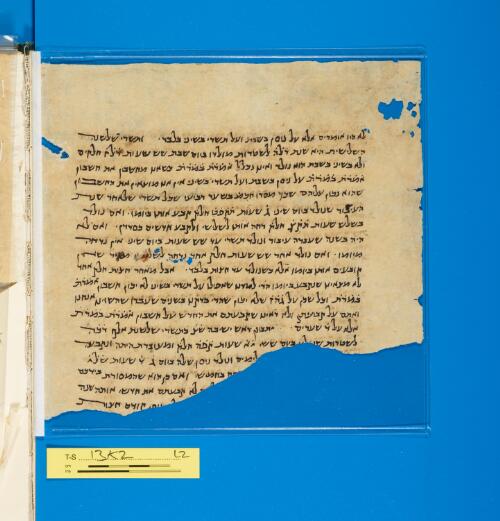
Bodl. MS Heb. d 74/28 28 recto

Bodl. MS Heb. d 74/28 28 verso

T-S 13K2 3r
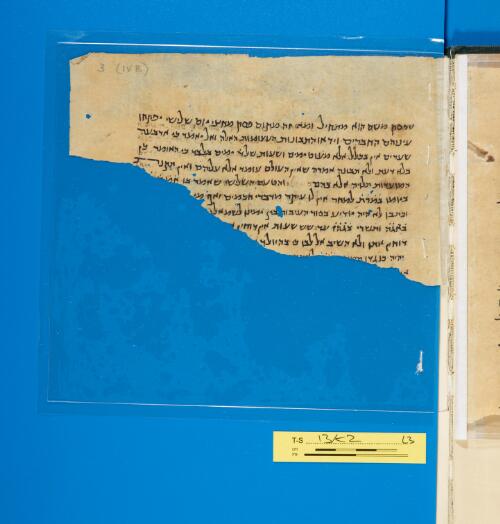
T-S 13K2 3v
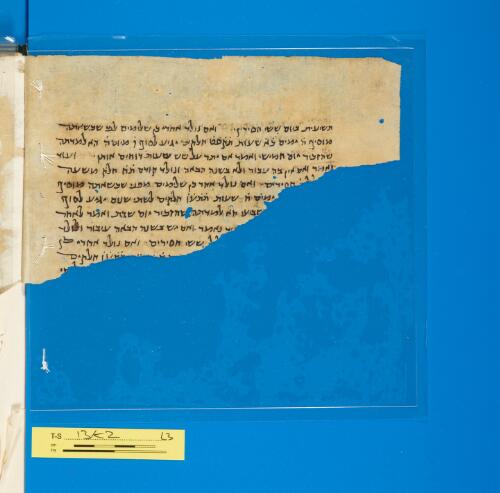
T-S 13K2 4r
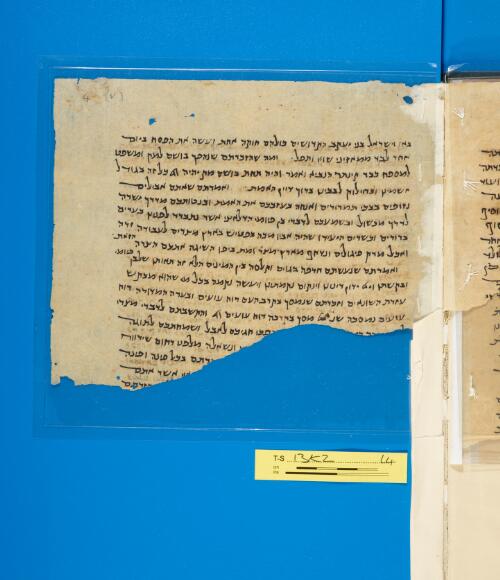
T-S 13K2 4v
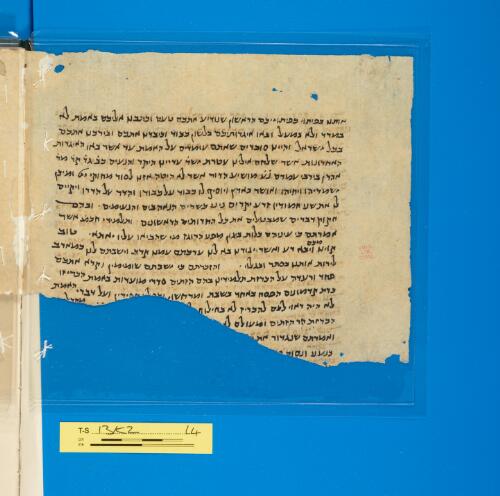
T-S 13K2 5r
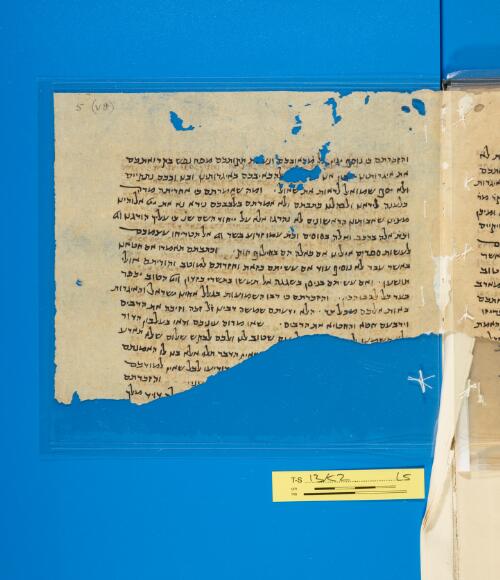
T-S 13K2 5v
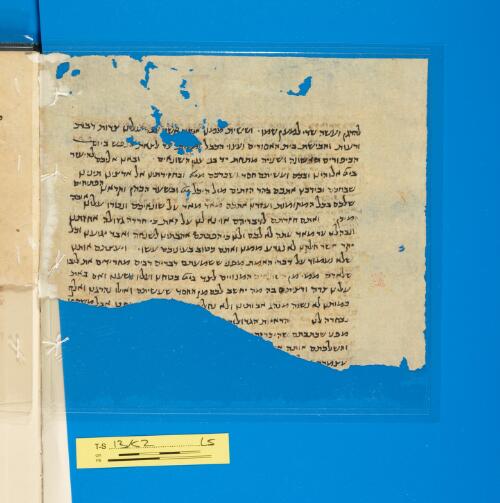
T-S 13K2 6r
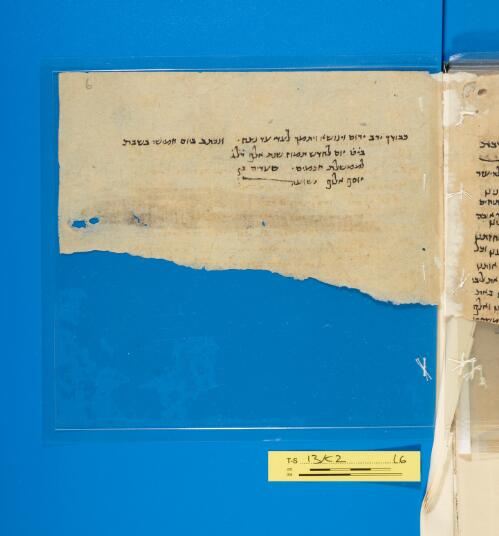
T-S 13K2 6v
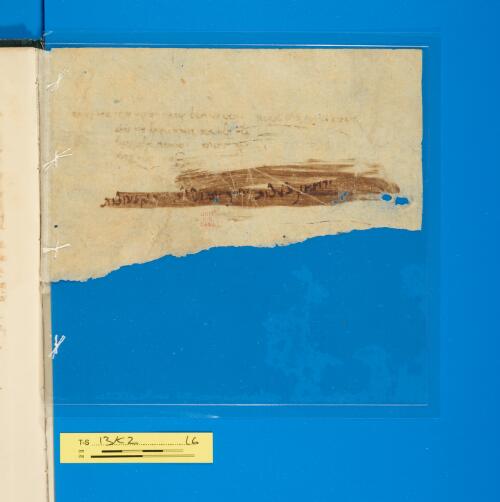
T-S NS 309.68b 1r
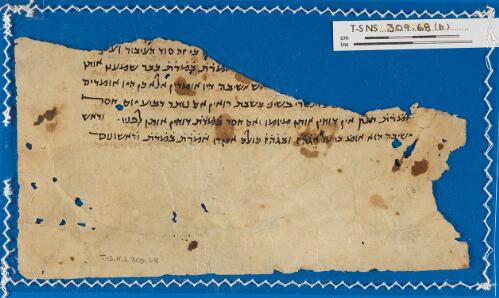
T-S NS 309.68b 1v
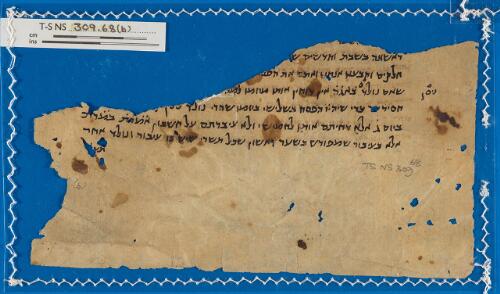
Image Permissions Statement
-
Bodl. MS Heb. d 74/28:
Images © Bodleian Libraries, University of Oxford. CC-BY-NC 4.0. For more information, please see Terms of Use.